

New study challenges one-size-fits-all approach to vitamin D supplementation guidelines
Factors such as age, sex, cholesterol and body mass index may significantly influence how much vitamin D people produce from direct sunlight, a new Irish study has found.
In an analysis of half a million UK-based participants, researchers from Trinity College Dublin found that levels of ambient ultraviolet-B (UVB) rays from the sun are a critical predictor of vitamin D status.
While a lack of the vitamin is associated with a number of conditions, levels of vitamin D deficiency remain high, particularly in areas like Ireland and the UK which have large cloud cover for much of the year.
In a new study in the journal Clinical Nutrition, the researchers showed that a number of personal characteristics, as well as vitamin D supplementation, significantly influence how individuals respond to UVB. For example, as BMI and age increase, the amount of vitamin D produced in response to UVB decreases.
Levels of vitamin D produced in the liver also differed by ethnicity, with the study finding higher levels in white participants compared to black or Asian people.
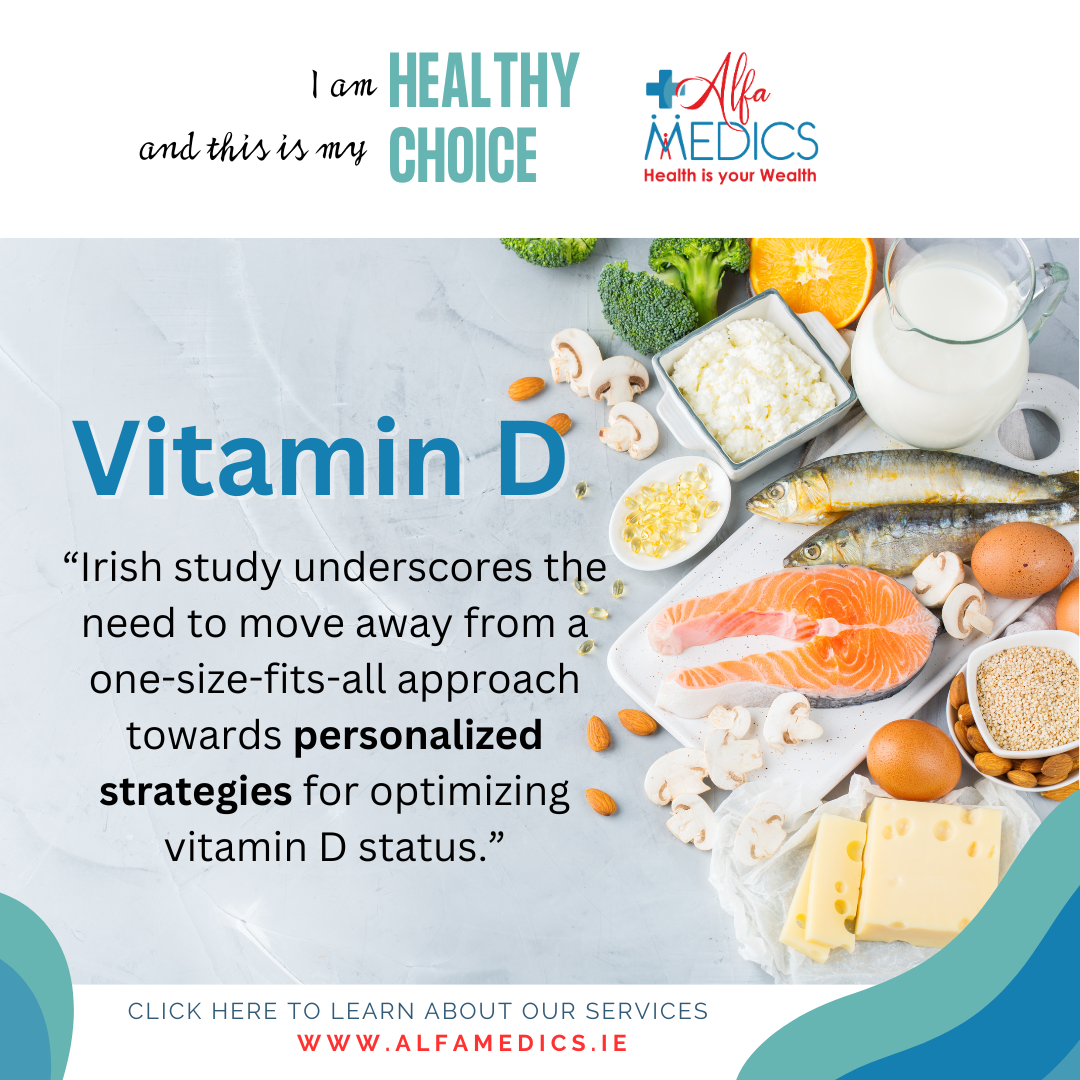
“We believe our findings have significant implications for the development of tailored recommendations for vitamin D supplementation,” said Prof Lina Zgaga, of the Trinity College School of Medicine. “Our study underscores the need to move away from a one-size-fits-all approach towards personalized strategies for optimizing vitamin D status.”
The research team believe that their findings are largely generalisable for Ireland, with both populations quite similar biologically and genetically. Other comparable conditions, most notably the level of UVB light and lifestyle factors such as diet, make it more likely that similar results would be found if Irish participants were studied.
“Our study also highlights the effect that natural environmental factors, like sunlight, can have on our health,” said Rasha Shraim, one of the authors of the study. “We hope that our approach encourages future researchers and public health bodies to integrate these factors into their health and disease work.”
Helpful resources: Irish Medical News